
Once upon a time… there were two lands very far away but with similar challenges.
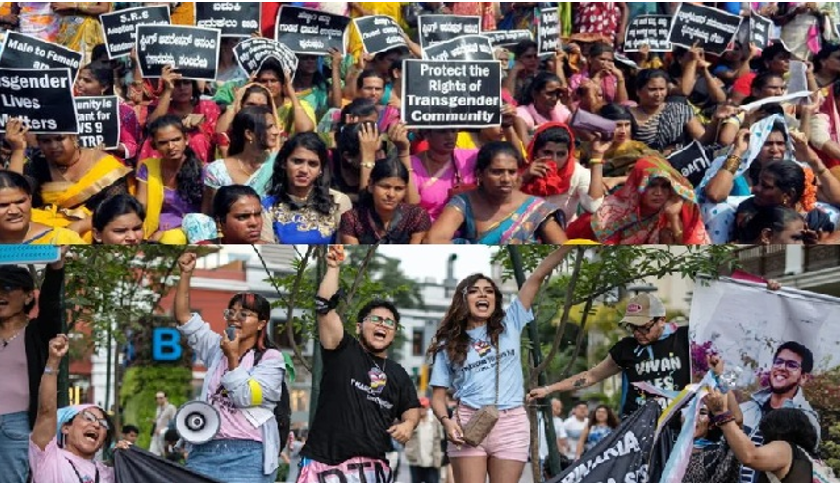
Even though they are separated by thousands of kilometers, India and Peru share significant historical, political and social similarities.
TPATH is able to publish reports like this, and pay all contributors a fair wage, because of the support of paid subscribers like you. Please help us in this mission (and get all articles one week early) by purchasing a paid membership, or upgrading your free membership now at the link below.
Even though they are separated by thousands of kilometers, India and Peru share significant historical, political and social similarities. Both territories were the birthplace of ancient cultures that left their mark on their respective regions. They also suffered the cruelty of Western colonialism for several centuries. Nowadays, both nations face the challenges of being multi-ethnic societies. However, one aspect that is rarely mentioned is the striking similarity in the situation faced by the trans community in both countries[1].
The truth is that, in both India and Peru, sexual and gender diversity has always existed, even before colonialism. For example, some studies have identified the Qariwarmi as individuals who were identified as part of a third gender in the Peruvian Andes. Their name comes from the Quechua words ‘qari’ (man) and ‘warmi’ (woman). Thanks to a few indigenous chronicles, we know that they fulfilled shamanic roles within Andean society, as they were understood as mediators between the masculine and the feminine. Regrettably, the Spanish colonization process banned and persecuted the Qariwarmi in an attempt to erase them.
![Image of a comic called "Chuquichinchay” created by the Rosa Rabiosa [No Tengo Miedo] collective.](https://news.tpathealth.org/content/images/2026/09/data-src-image-74678cc4-c113-40d1-af9c-3ed4f805e0ea.png)
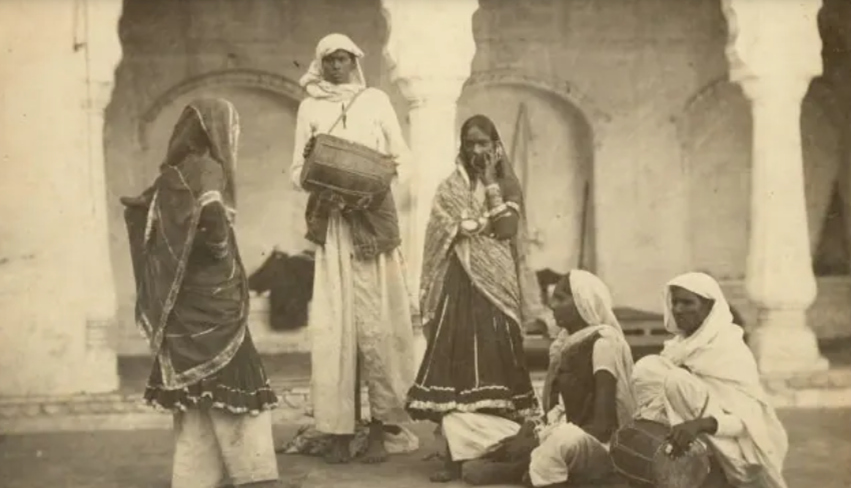
In the case of India, the Hijras are also recognized as part of a third gender, and their presence has been recorded in religious texts since the 9th century. In contrast to the Peruvian case, the Hijras and their culture have survived to the present day. Traditionally, they organize themselves into hierarchically structured communities, with gurus who guide younger disciples, and they often take part in blessing rituals at births and weddings in exchange for money. However, many have been marginalized and forced into begging or sex work.

Far from being in a better position than in other countries, the trans communities in Peru and India are currently facing a difficult reality. Despite all the visibility, activists in both countries emphasize that progress in this area is directly linked to the intentions of certain authorities, rather than a genuine effort by the state to improve the quality of life of trans people. A good example is the limited or fragmented official data available on this community. Consequently, to gain a more detailed picture of the challenges and needs faced by trans people, it is necessary to examine the data compiled by human rights organizations. The Peruvian government has only one national study on the LGBTIQ+ community, carried out by the National Institute of Statistics and Informatics (INEI) in 2017. India, for its part, does not have a comparable report, although in 2011, for the first time, it was possible to estimate the percentage of the population who were transgender through the general census.
In both countries, trans people face adverse environments. In general, these populations experience the ambivalence of being tolerated in certain spaces but strongly discriminated in others. It is no surprise, then, that the main settings where violence takes place are homes, educational institutions and police stations. As a result, they are exposed to high levels of violence from a very early age. In India, the National Human Rights Commission (NHRC) estimates that 92 per cent of trans people experienced verbal abuse in 2018. Meanwhile, in Peru, trans people ranked second in terms of experiencing such violence within the LGBTIQ+ community in the same year.
The most evident consequences include a mental health crisis for trans people. According to a study by The Trevor Project, in Peru more than 60 per cent of trans youth experienced symptoms of depression in 2024. The study also revealed that 78 per cent of this population had contemplated suicide in the past year. Unfortunately, the figures for India are not very encouraging either. A 2021 study found that 63 per cent of trans people had experienced symptoms of depression, while 31 per cent had committed suicide. Furthermore, another study published this year states that 40 per cent had a major depressive disorder.
Unfortunately, neither country has a legal system with effective protections for trans people or strict punishment for crimes against this community. In fact, Peruvian LGBTIQ+ activists are still pressing the authorities to criminalize hate crimes; meanwhile, in India, activists argue that the legal framework is insufficient to punish crimes against trans people. These contexts result in similar figures for transfeminicide. By 2025, India and Peru had reported 7 and 4[2] murders of trans people respectively.
Differences?
Apparently, the main difference between these two countries is that India does have a gender identity law, whereas Peru does not. The fact is that the historic Supreme Court decision, National Legal Services Authority v. Union of India (NALSA), in April 2014, highlighted the urgent importance of such a law. Five years later, the Transgender Persons (Protection of Rights) Act established the right of trans people to self-identify. In Peru, the only attempt to introduce such a law was project 790/2016, submitted by congresswomen Marisa Glave and Indira Huilca. This proposal was approved by the Committee on Women and the Family in 2021; however, it has yet to be debated in the full chamber.
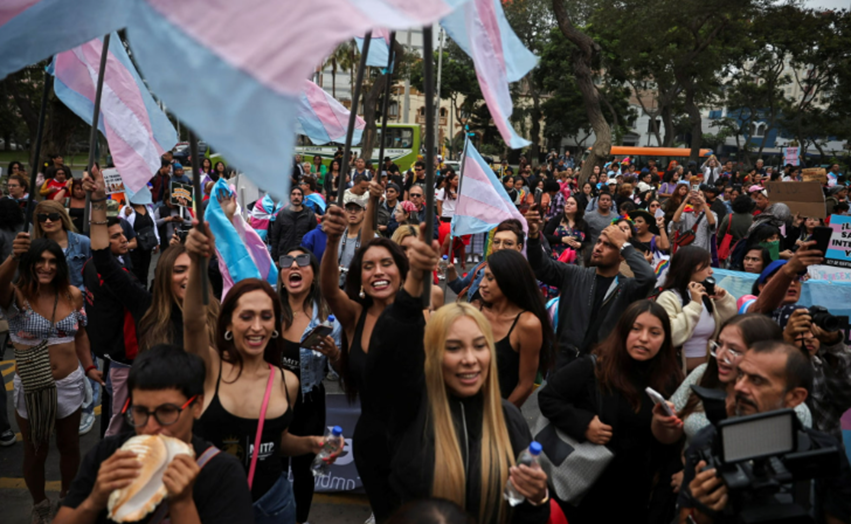
However, if we look more closely at both cases, it becomes possible to see that recent events show they are locked in the conservative mindset of the government and its leaders. In Peru’s case, this is somewhat more evident, as there is no gender identity law. Recent governments have revealed this entrenched state-sanctioned transphobia. From the executive authority, the clearest example was the signing of Supreme Decree 009-2024 by the Health Ministry (MINSA). This controversial decree aimed to pathologize trans people under the pretext of including them in health insurance. As a result, the LGBTIQ+ community organized various protests, which led to a partial retreat by MINSA.
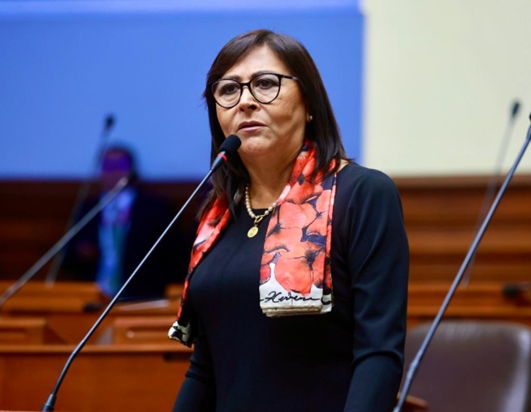
In addition, Congress has also passed legislation based on transphobia. Led by the congresswoman and now senator Milagros Jauregui, in 2025 a new law was passed prohibiting trans people from using toilets according to their identity. Furthermore, evangelical pastor Jauregui has recently proposed Law No. 12285-2025-CR, which seeks to ban gender-affirming healthcare to minors. In doing so, Senator Jauregui intends to force trans children to suffer through the changes of puberty, which have been shown to have a negative effect on their mental health.
One of the aims of the law is to punish those who provide these hormone therapies with up to five years in prison. In doing so, it jeopardizes proper medical supervision. Thanks to a small number of studies, it is known that, in Peru, trans women have been using hormones without medical supervision since the 1970s. In the 21st century, despite knowing that the use of these medicines without supervision can have negative health effects, trans people still use them in an effort to align their bodies with their identity. Consequently, this ban could give rise to a black market in medicines, as happened with alcohol in the United States in the 1920s. Not to mention the fact that only trans teenagers with higher incomes would be able to travel abroad to access this treatment.
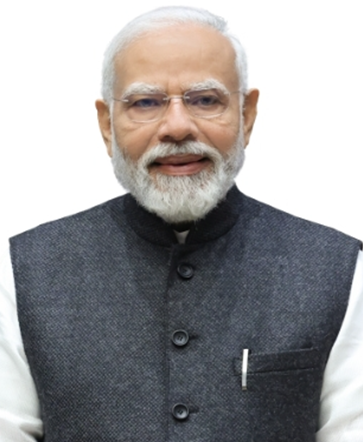
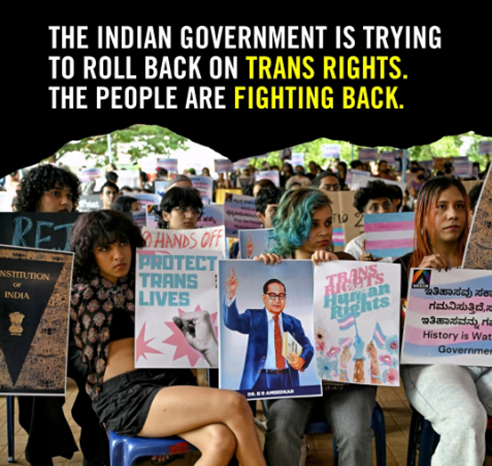
In India, the situation is somewhat more challenging to understand. The latest amendments to the gender identity law have been strongly rejected by LGBTIQ+ communities. This new legislation, introduced by Narendra Modi last March, is described as restrictive and binary. Activists, such as Amrita Sarkar, criticize the fact that the amendment was introduced with no meaningful consultation to the trans communities themselves, which has caused mistrust of the government in the community to grow.
According to its critics, these amendments substitute the principle of ‘self-perceived gender identity’, recognized by the Supreme Court in the NALSA ruling, with a system of external verification carried out by medical boards and district authorities. This would change the recognition of trans identity from a rights-based framework to a medicalized one controlled by the state.

Activists warn that this verification process can be humiliating and invasive, and that it excludes people in rural areas or on low incomes who do not have access to gender-affirming healthcare. Furthermore, they point out that the amendment adopts a more restrictive definition of ‘transgender’, which could marginalize non-binary, gender-fluid or self-defined individuals, erasing the diversity of gender identities historically recognized within India’s trans communities.
Furthermore, there are concerns about privacy and scrutiny, as requiring the disclosure of medical history or transition status could expose trans people, who already face harassment and discrimination in hospitals, schools and workplaces, to further abuse and vulnerability. There are fears that forcing people to ‘prove’ their identity to officials reinforces the idea that trans identities are suspect by default, deepening the stigma, particularly amongst people living in poverty, Dalits, Adivasis, migrants, people with disabilities and those in informal employment. Those who have already obtained identity documents under the previous self-identification system are concerned that their legal status will be called into question, creating uncertainty regarding access to social programmers, employment and other official procedures.
Whether explicit or implicit, governmental transphobia ultimately stands out as one of the similarities between Peru and India. Although both countries have a very strong historical legacy about trans people, they impose obstacles and restrictions on their lives. The tension generated by this legal inequality ends up revictimizing people who, as we have already mentioned, suffer violence from a very early age. Although comparisons can often be ugly, it is impossible not to mention that, as a community, we must not think that the journey ends with the approval of a gender identity law; it is more important to ensure that laws transform society so that trans people can live in peace.
[1] Thanks to Amrita Sarkar for the interview about India and Gianna Camacho for the helpful information about Peru.
[2] Thanks to the TLGB Observatory at Cayetano Heredia University for this data, which is taken from its forthcoming report.
References
Amnesty International. "India: Presidential Approval of Regressive Transgender Bill a Major Step Backward for Human Rights." 31 de march 2026. https://www.amnesty.org/en/latest/news/2026/03/india-presidential-approval-of-regressive-transgender-bill-a-major-step-backward-for-human-rights/.
Camacho, Gianna. "En 2022 Vuelve con Impulso la Lucha por el Reconocimiento de las Personas Trans en Perú." Agencia Presentes, 25 February 2022. https://agenciapresentes.org/2022/02/25/cronica-de-una-lucha-incesante-peru-aun-no-reconoce-el-derecho-a-la-identidad-de-las-personas-trans/.
Camacho, Gianna. "Retroceso en Perú: Para el Ministerio de Salud las Personas Trans Tienen un Trastorno Mental." Agencia Presentes, 14 may 2024. https://agenciapresentes.org/2024/05/14/retroceso-en-peru-para-el-ministerio-de-salud-las-personas-trans-tienen-un-trastorno-mental/.
Camacho, Gianna. 2025. "En Perú Prohíben a Personas Trans Usar Baños Públicos Acordes a su Identidad de Género: 'Es una Ley Transfóbica.'" Agencia Presentes, 15 may 2025. https://agenciapresentes.org/2025/05/15/en-peru-prohiben-a-personas-trans-usar-banos-publicos-acordes-a-su-identidad-de-genero-es-una-ley-transfobica/.
Congreso de la República del Perú. "Proponen Prohibir Terapias de Reasignación de Sexo en Menores de Edad." Comunicaciones, 3 September 2025. https://comunicaciones.congreso.gob.pe/despacho-informa/proponen-prohibir-terapias-de-reasignacion-de-sexo-en-menores-de-edad/.
Drishti IAS. "Transgender Persons Amendment Bill 2026." 19 march 2026. https://www.drishtiias.com/daily-updates/daily-news-analysis/transgender-persons-amendment-bill-2026.
Halli, Shiva S., Shajy Isac, Parinita Bhattacharjee, Sumit Dutta, B. M. Ramesh, Robert Lorway, y James Blanchard. "Suicidality among Gender Minorities in Karnataka, South India." BMC Psychiatry 21, art. 25 (2021). https://doi.org/10.1186/s12888-021-03043-2.
Hand, Shahrazad. "How the British Attempted to Erase the Hijra." Brown History (blog), November 10, 2022. https://brownhistory.substack.com/p/how-the-british-attempted-to-erase.
Horswell, Michael J. La descolonización del sodomita en los Andes coloniales. Quito: Abya-Yala, 2010.
Instituto Nacional de Estadística e Informática (INEI). Primera Encuesta Virtual para Personas LGBTI, 2017. Lima: INEI, 2018. https://www.inei.gob.pe/media/MenuRecursivo/boletines/lgbti.pdf.
Kumar, Ankush. "Anti-Transgender Discrimination, Violence in India Persists." Washington Blade, September 24, 2024. https://www.washingtonblade.com/2024/09/24/anti-transgender-discrimination-violence-in-india-persists/.
León-Morris, F. D., M. Reyes-Díaz, J. C. Jáuregui, K. A. Konda, A. B. Taylor, B. A. Jarrett, G. Muñoz, y R. Nath. Encuesta de Salud Mental de Jóvenes LGBTQ+ 2024 en Perú. West Hollywood, CA: The Trevor Project, 2024. https://www.thetrevorproject.org/survey-international/pe/2024/es/
Mori Bolo, Giancarlo. "Las Fabulosas Ciudadanas del Espectáculo: El Ocaso del Cabaret Travesti y el Surgimiento de una Conciencia Ciudadana (1975-1985)." MA thesis, Pontificia Universidad Católica del Perú, [2025]. https://tesis.pucp.edu.pe/items/6a8cd4a0-da98-4239-8606-7491082bc240.
Observatorio de Derechos Humanos TLGB. Informe Anual del Observatorio de Derechos Humanos LGBT, 2017-2018. Lima: Instituto de Estudios en Salud, Sexualidad y Desarrollo Humano (IESSDEH) / Centro de Investigación Interdisciplinaria en Sexualidad, Sida y Sociedad (CIISSS/UPCH), 2019. https://observatoriotlgbi.org.pe/docs/Informe_2017-2018.pdf.
Sudarisan, S. S. P., S. Kumar, y P. Selvaraju. "Prevalence of Psychiatric Disorders among Transgender Individuals with Gender Dysphoria in India and Unmet Needs of Those with Psychiatric Disorders." The International Journal of Psychiatry in Medicine (2026). https://doi.org/10.1177/00912174261416623.
TGEU. "Trans Murder Monitoring: Base de datos en línea. Berlín: TGEU, consultado el 15 September 2026. https://transmurdermonitoring.tgeu.org/library/.
Tordoff, Diana M., Jonathon W. Wanta, Arin Collin, Cesalie Stepney, David J. Inwards-Breland, and Kym Ahrens. "Mental Health Outcomes in Transgender and Nonbinary Youths Receiving Gender-Affirming Care." JAMA Network Open 5, no. 2 (2022): e220978. https://doi.org/10.1001/jamanetworkopen.2022.0978.
Vakoch, Douglas A., ed. Transgender India: Understanding Third Gender Identities and Experiences. Cham: Springer, 2022. https://doi.org/10.1007/978-3-030-96386-6.